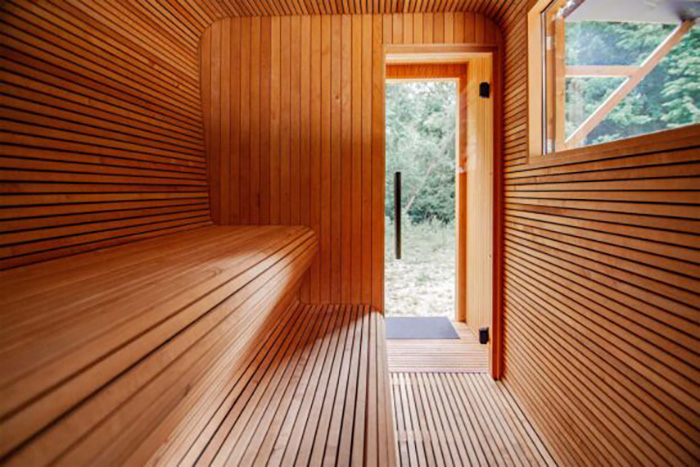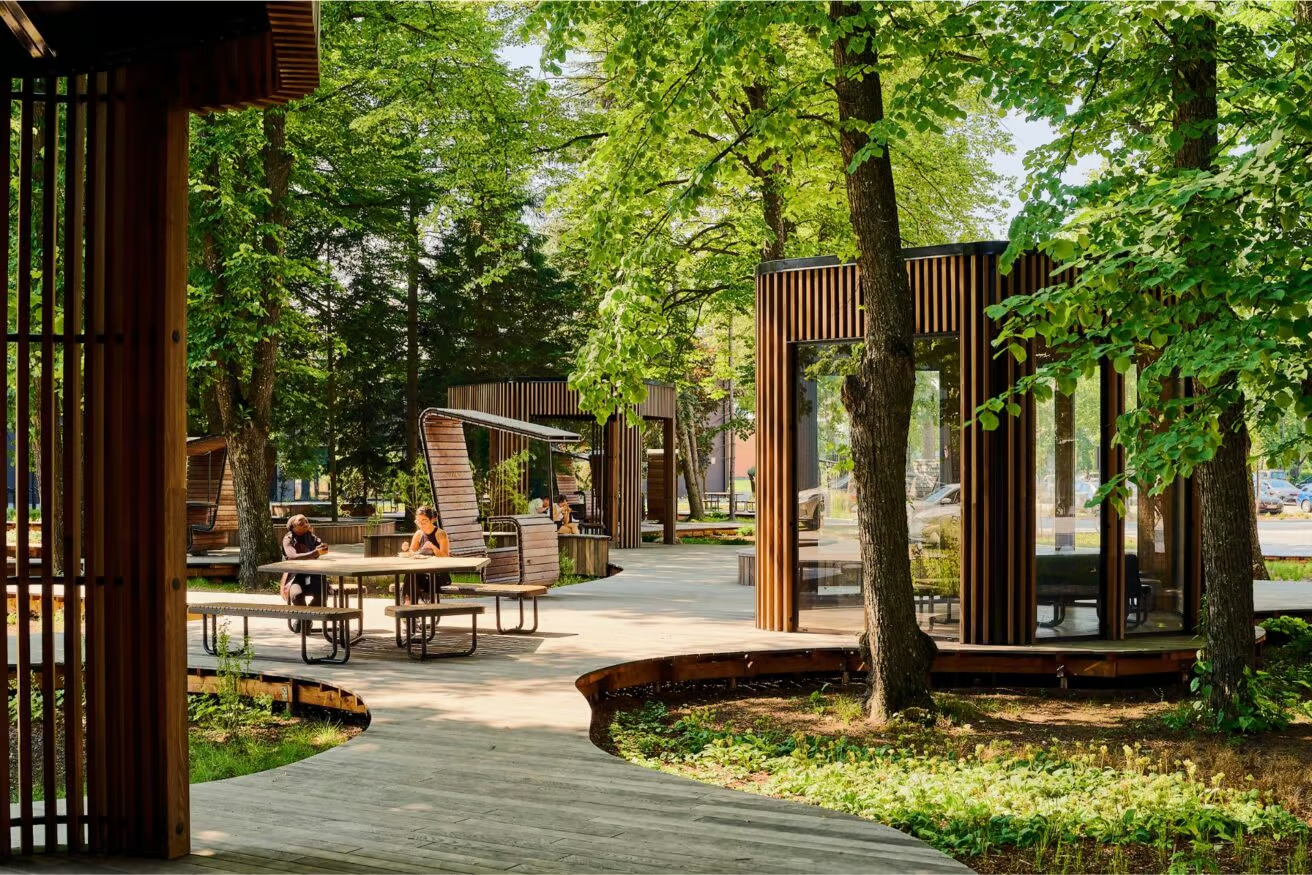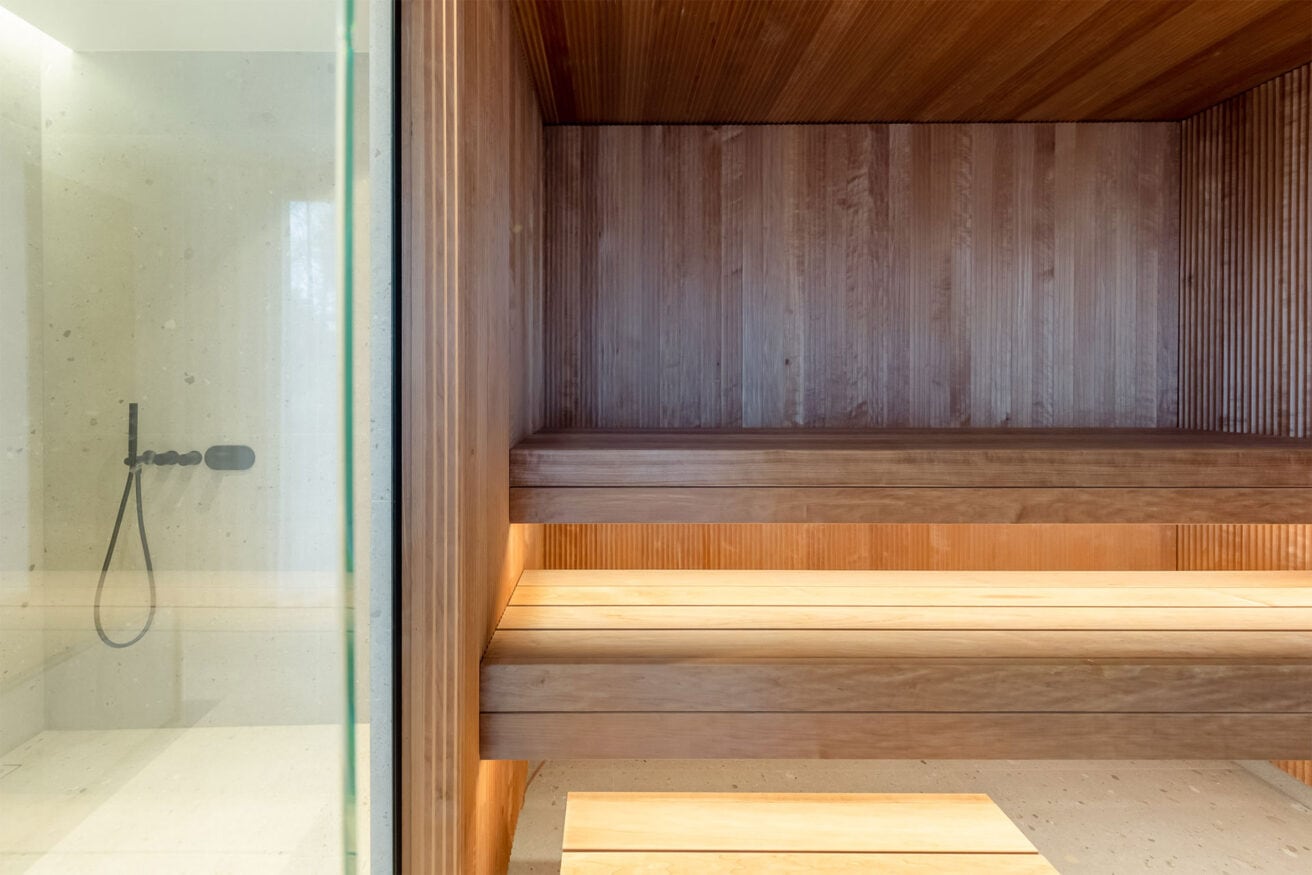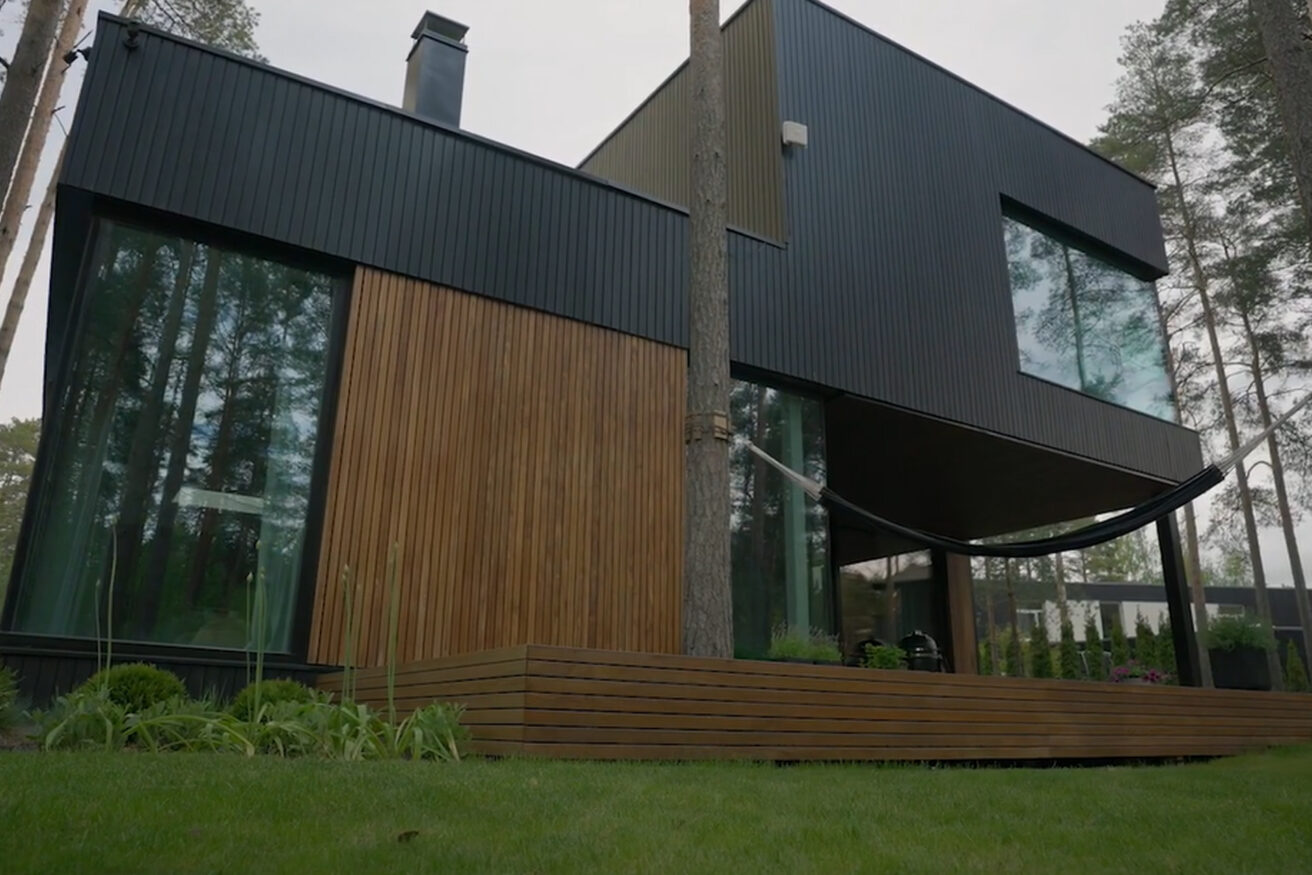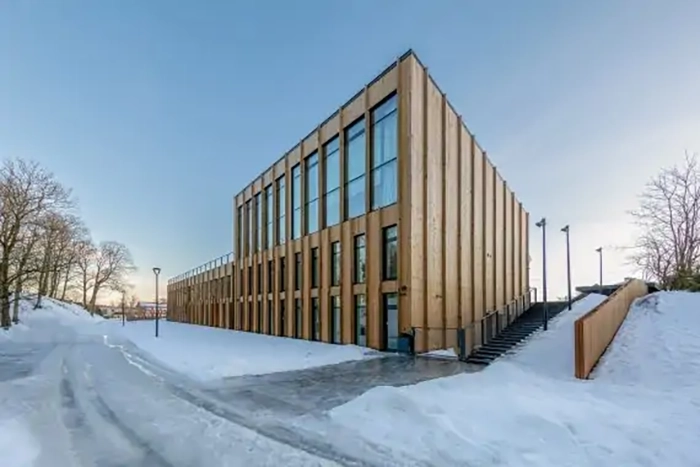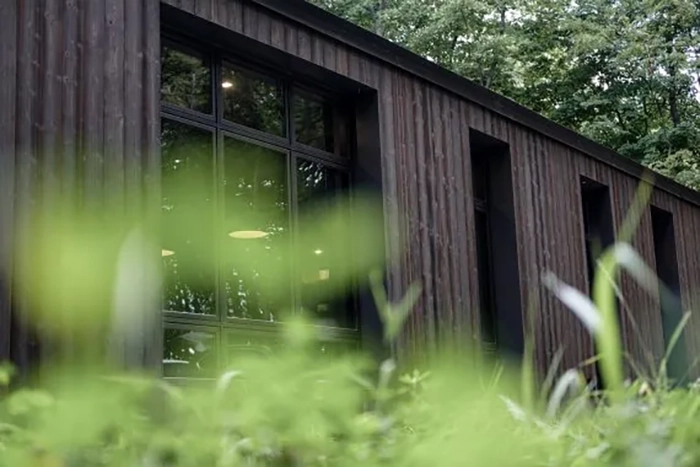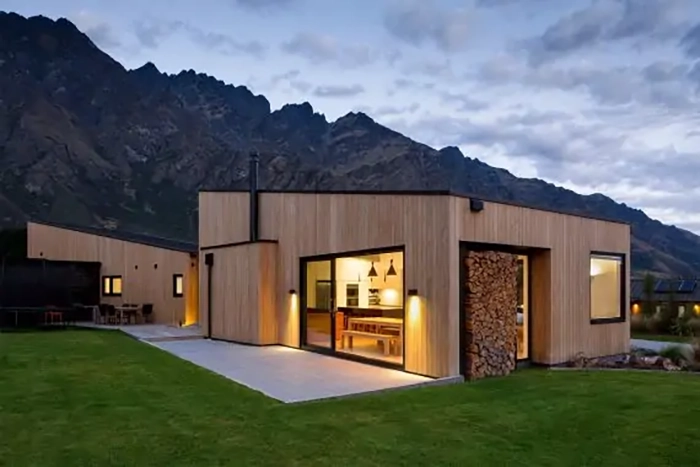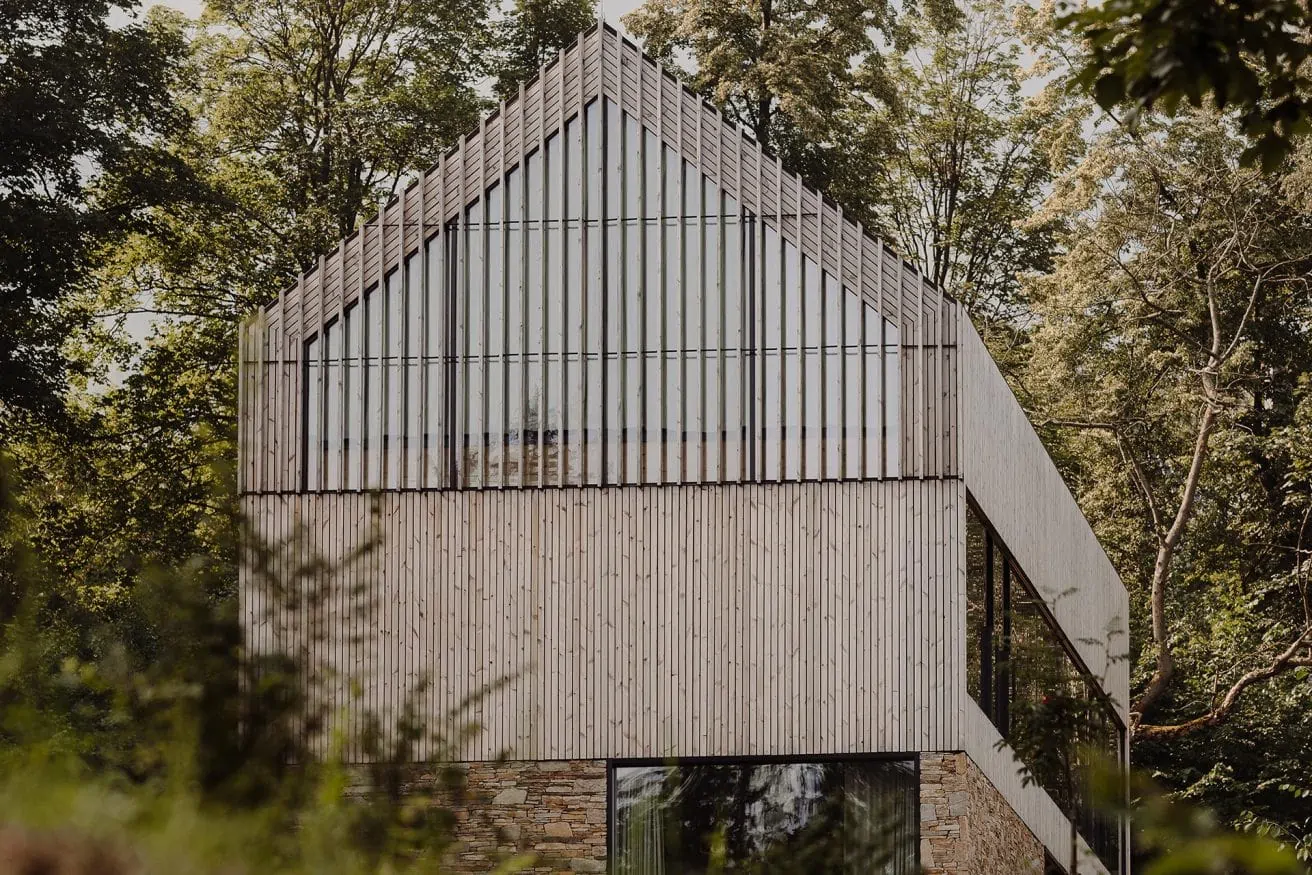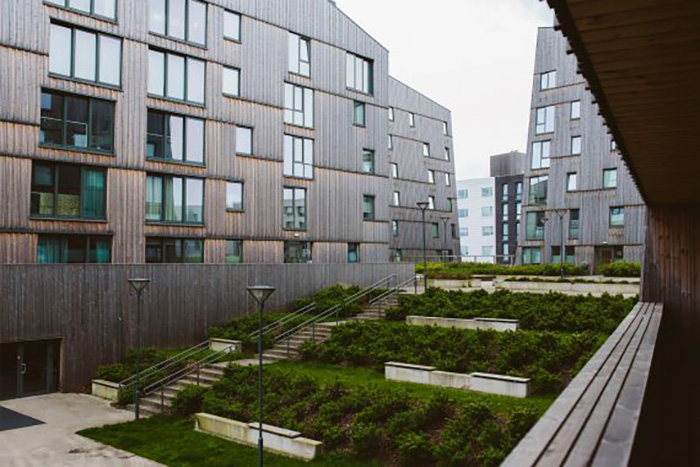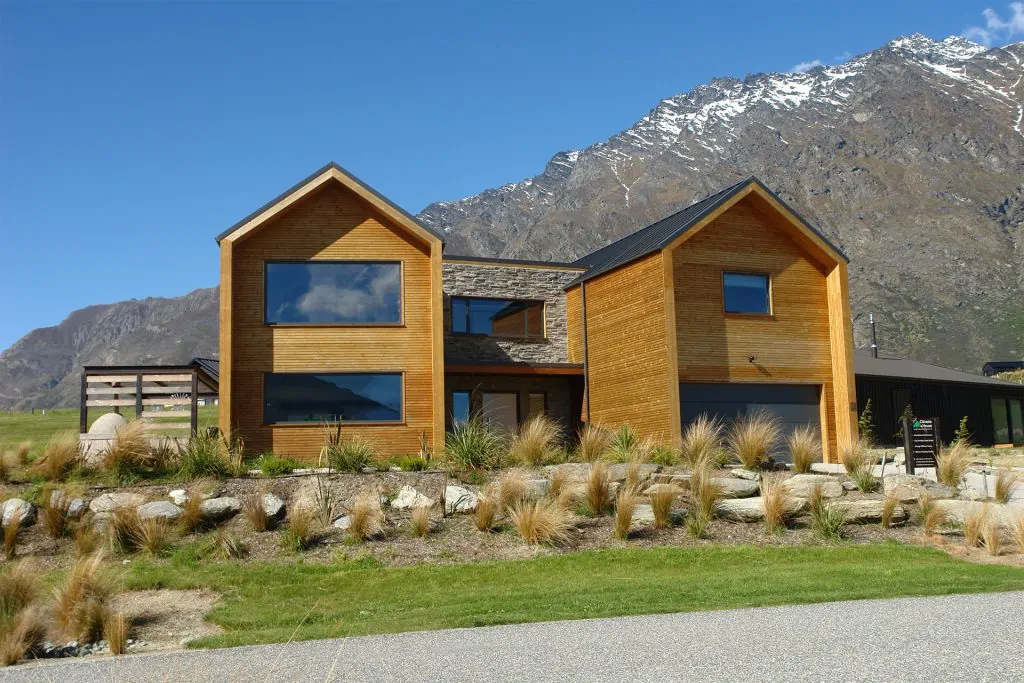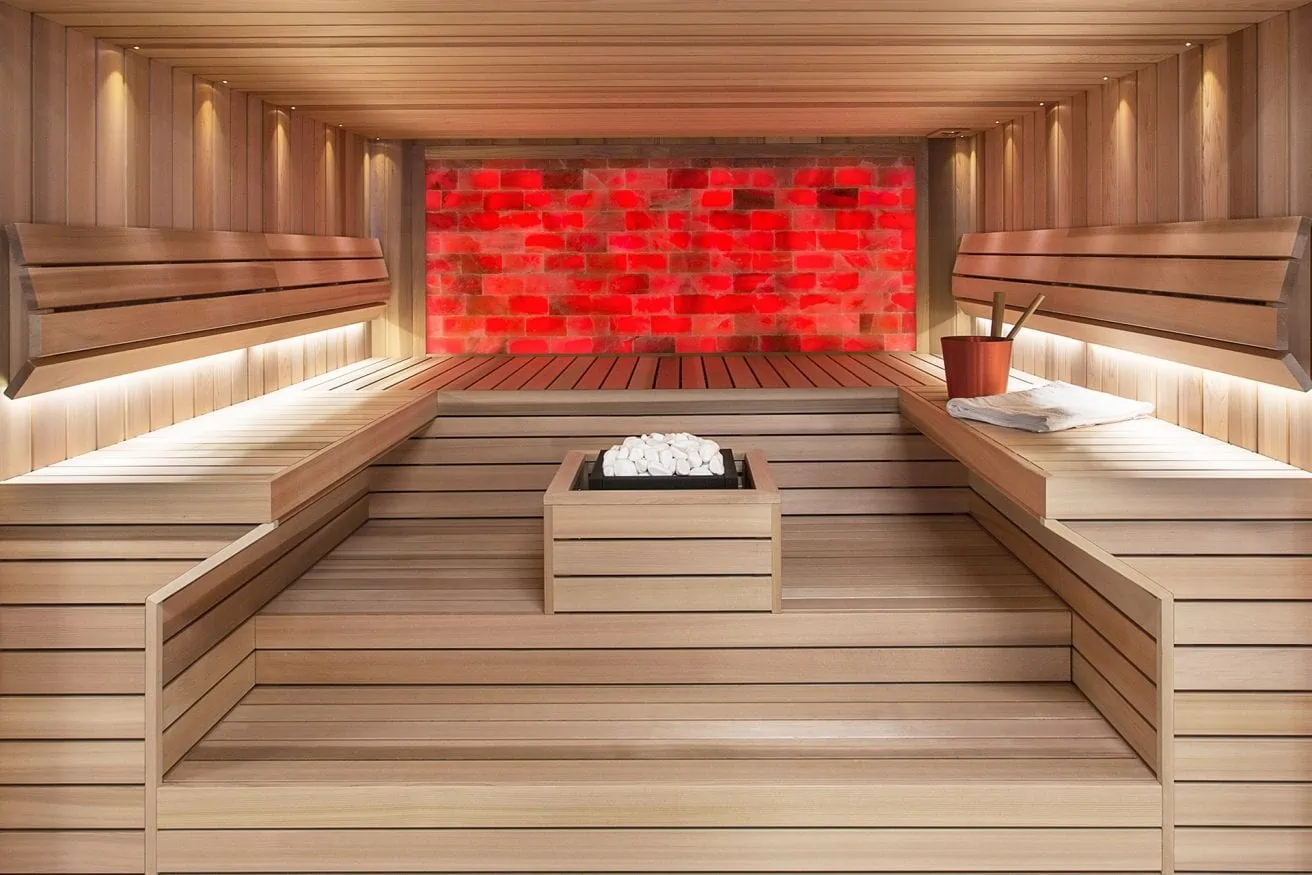





Thermory has become a global market leader thanks to their reliable reputation based on our passion for wood, innovativeness and sustainable operation
Thermal modification makes wood more durable and stable
• Wood’s physical and chemical properties change during thermal modification. When it’s heated, the wood releases moisture and its chemical composition is transformed.
• Thermal modification lowers the wood’s absorbency, meaning that exposure to moisture no longer causes it to swell as much. It also improves the dimensional stability, so the wood expands and contracts less in outdoor conditions.
• The lower internal stresses found in thermally modified wood also reduce material consumption during construction.
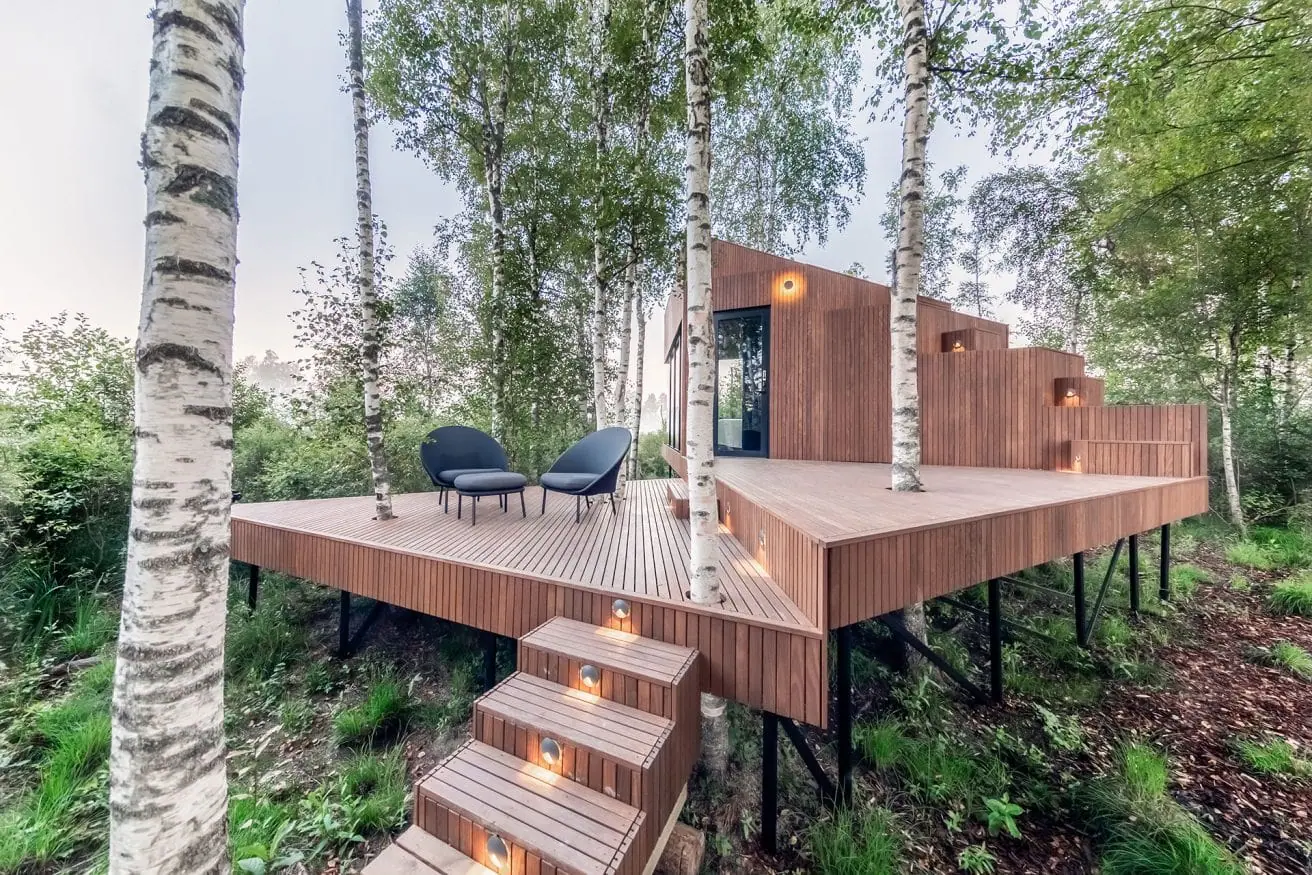
• Wood’s biological resistance increases as the nutrients in wood are modified during thermal modification, becoming less available to pests and microorganisms. This increases the durability of the wood in outdoor conditions and ensures that it does not need to be impregnated with toxic substances for protection.
• The heat and sound insulation of thermally modified wood is superior to that of natural wood by as much as 30%.
• Thermally modified wood has a lower weight and density, making the wood easier to work with mechanically.
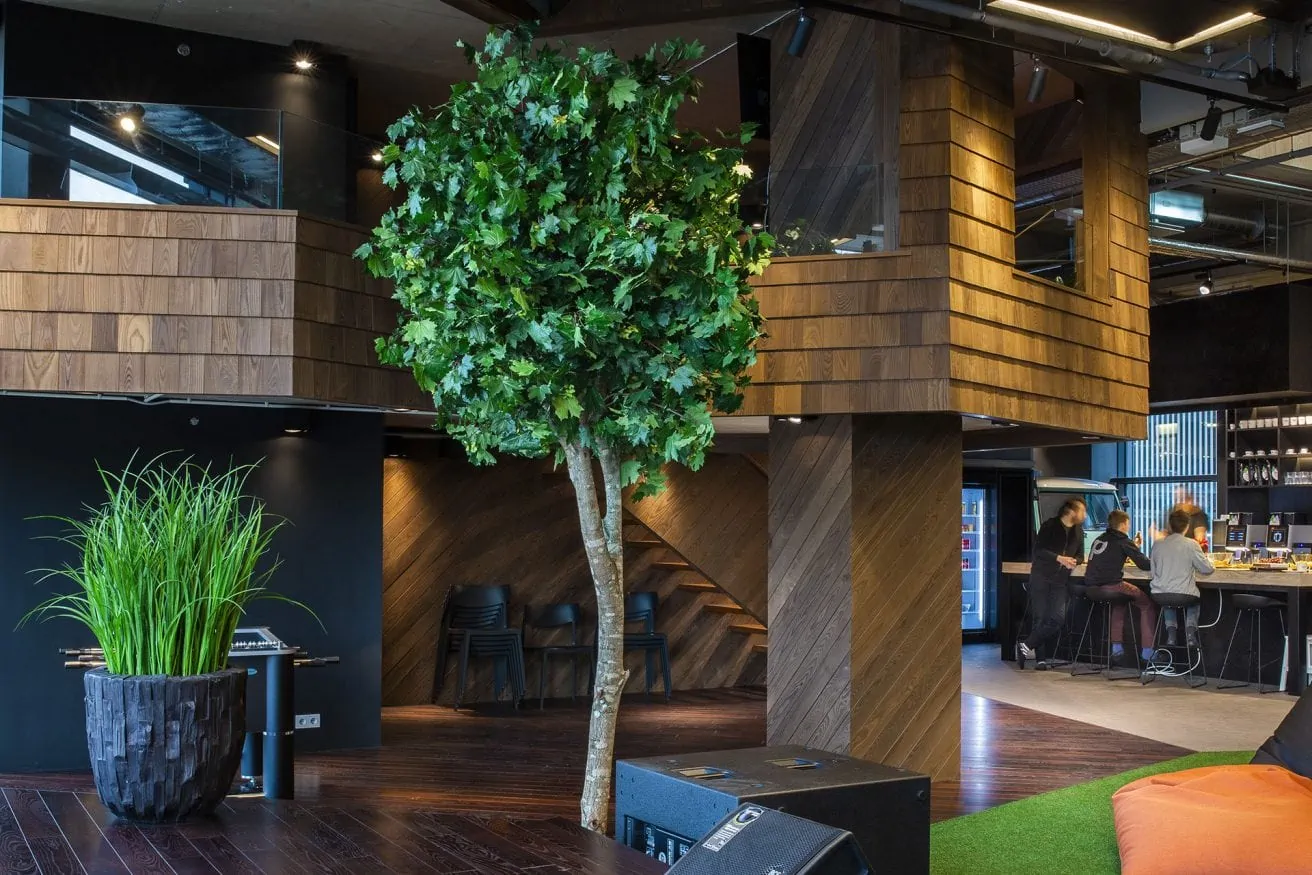
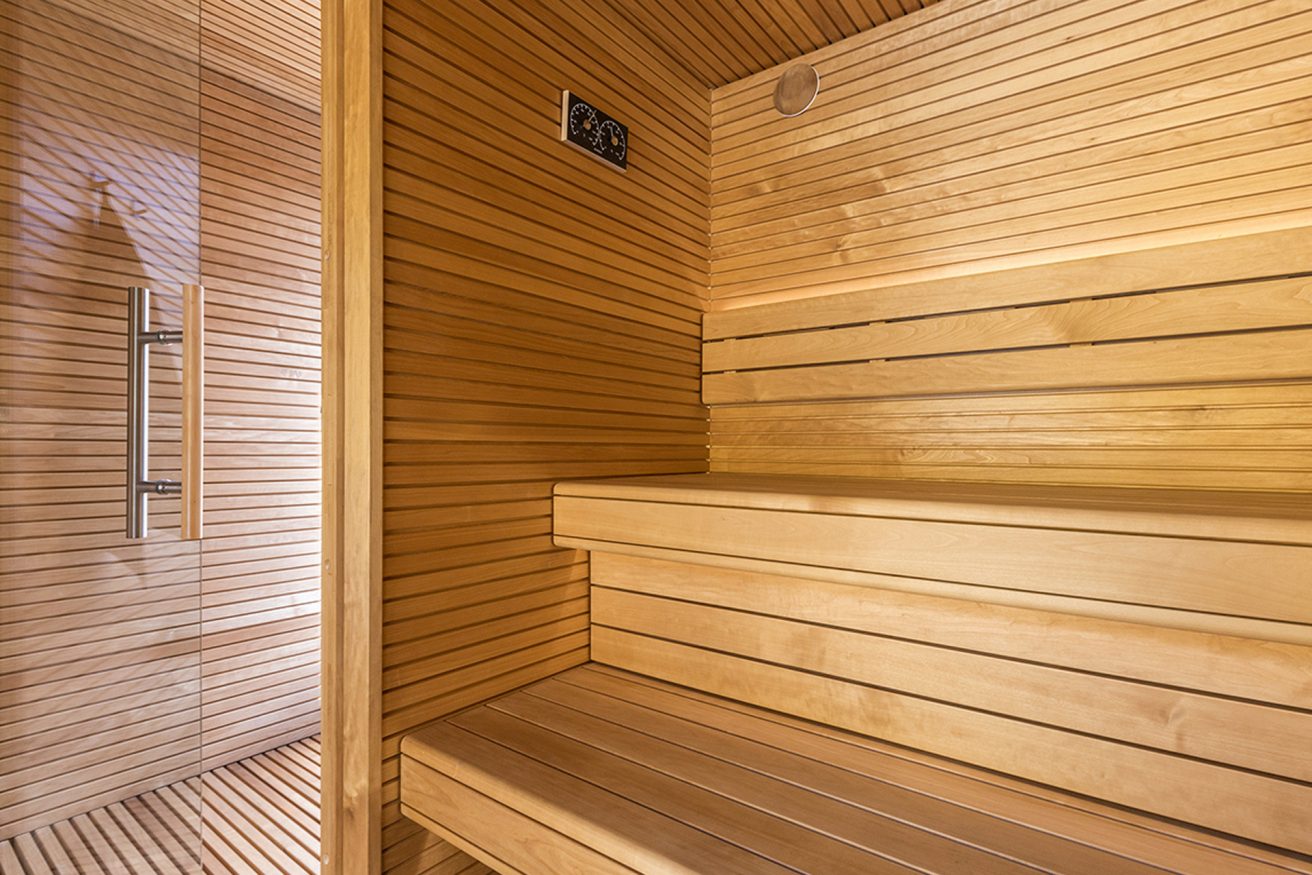
• Thermally modified wood has a beautiful, deep color. This can offer sustainability benefits, for example by making thermally modified ash a great alternative to tropical hardwood.
• As no chemicals are used in the thermal modification process, our thermally modified wood products are safe and there’s no need to handle them as hazardous waste after use.